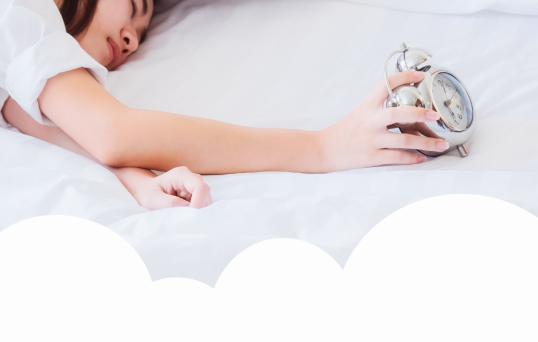
Most of us have had periods where we have found it hard to sleep. I see people all of the time who struggle to sleep temporarily, but more worrying than this is the trend of long term insomnia, which is on the rise in the UK. A study which examined 20,000 16-64 year olds' sleep habits over fifteen years between 1993-2007 found that the diagnosis of insomnia had nearly doubled in this time. The most commonly reported reason given by those involved was "worry". The figures have only risen since then.
Sleep deprivation negatively impacts reaction times, memory, patience and logical thought, but long term sleeplessness can also affect your physical health too. Over time, it can contribute to chronic disease and mental decline, not to mention the effect it has on our emotions and relationships. Our bodies need time to switch off and repair. Sleeping tablets will knock us out, but this will not produce the same quality of sleep. Of course worrying about being unable to sleep won’t help matters either.
If you are struggling to sleep, here are a few things to try:
- Reduce caffeine. If you can't cut it out altogether then only consume before noon.
- Keep your bedroom cosy, tidy (a study conducted by New York’s St. Lawrence University revealed a messy bedroom can lead to a poor night’s sleep) and cool (ideally between 18 and 20 degrees Celsius). Keep the room as dark as you can make it when you're ready to sleep.
- Avoid looking at laptops/computers/mobile phones 90 minutes before you go to bed. If this is impossible, make sure the amber night mode setting is on.
- Do regular exercise but nothing vigorous 4 hours before bed.
- Try to spend some time outside in the morning.
- Go to bed at the same time every night.
- Write down your worries before bed and write a list of what you need to do for the following day.
- Relax just before bed by having a bath, listening to gentle music or doing whatever releases tension for you.
- Leave plenty of time between your last meal and bedtime (3 hours ideally).
- If you can't sleep, get up and leave the room. Do something like reading a book or doing a jigsaw puzzle (not looking at your phone) and when you feel tired try going back to bed again. Your body gets used to patterns, so if you wake every night at 2am and look through your emails, it will start to think this is the norm. You need to show your body that bed is a place for sleep.
Reflexology has also been shown to help with insomnia. In this modern western world, where we are asked to constantly do more with less, the power of relaxation cannot be underestimated. How can reflexology help you to get more sleep? Well, a common misconception is that our bodies are a collection of separate parts brought together to create a whole….nothing could be further from the truth. Everything is connected to work as a whole and this includes physical, mental and emotional connection. The 7200 nerves in the feet connect to every organ in the body so it is not hard to see how communication can be achieved from feet through to mind and the messages they send help your body work its magic and reset some of the chaos that we cause every day. Skeptical? Give it a try.